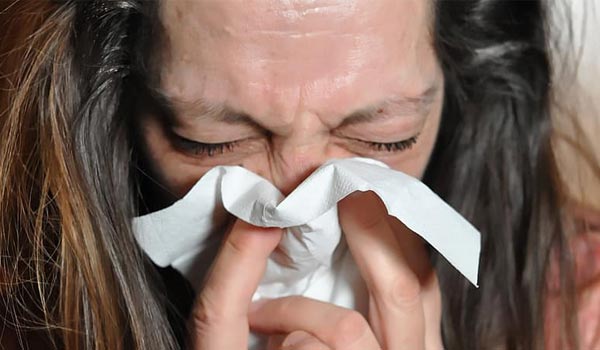
Nothing can ruin a trip more than getting sick while you travel. If you want to enjoy your trip and make the most out of it, make sure you take care of yourself and your health before anything else. After all, you can only have the best experience if you are in your best state of being.
Get Enough Rest and Sleep
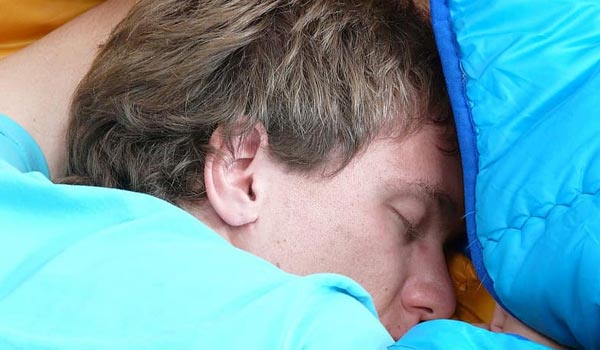
Yes, you are traveling. It is understood that you want to maximize your time and stay. But skipping your much-needed rest and sleep will only hinder you from having an experience of a lifetime. As much as possible, make time to get enough rest and sleep so you can recharge and fuel up for the next agenda you have on your trip.
Keep Hydrated

Water is your best friend. From the beginning of your travel on an airplane ride, you need to stay hydrated. Drink plenty of water throughout your airplane trip and travel to your destination to stay away from dehydration. You can do a lot and enjoy more when you keep your water intake in check.
Know Your Kryptonite

You know what makes you sick and you know the things that you are allergic from. When you travel, keep these things in mind. It will save your life and your health when worse comes to worst. Prevent all these things as much as possible to save yourself from the hassle and disaster of being unable to communicate effectively in a foreign land especially if the people are not speaking English.
Getting sick while traveling is a disaster. What would have been more time to spend and marvel in the outdoors of a foreign land can turn into being confined in a hospital room away from home. Do not let this be your travel situation. Follow these tips and stay healthy. Visit [WEBSITE] or more information about traveling.